
The primary purpose of music therapy is not to teach music. A professional uses experiences such as listening, improvising, singing, composing, moving or playing instruments to address nonmusical goals within a therapeutic relationship.
A professional discipline
The World Federation of Music Therapy describes music therapy as the professional use of music and its elements in medical, educational and everyday settings to support quality of life and physical, social, communication, emotional, intellectual and spiritual health. The full definition is available from the World Federation of Music Therapy.
The American Music Therapy Association adds two central elements: interventions are evidence-based and take place within a therapeutic relationship led by a trained professional with appropriate credentials. This definition refers to professional practice in the United States. Read its official definition of music therapy.
What might happen in a session?
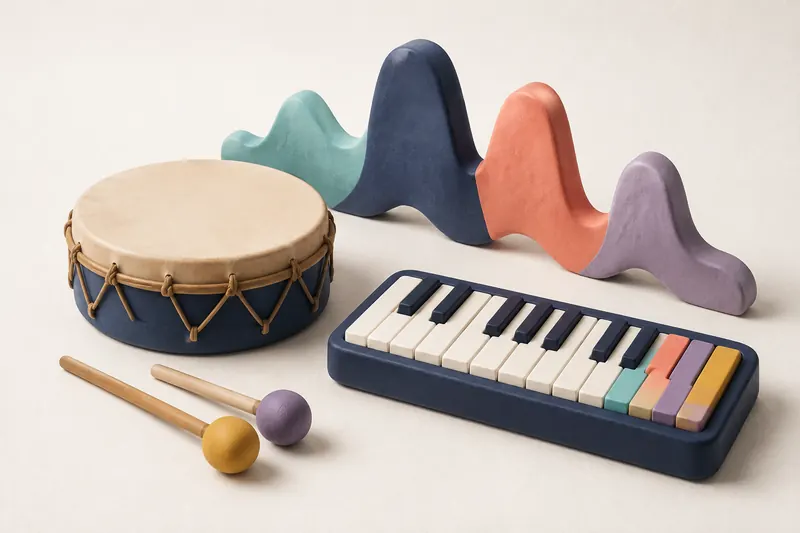
Experiences are chosen according to goals, preferences, age, context, strengths and needs. They may include:
- Vocal or instrumental improvisation.
- Receptive listening and discussion of the experience.
- Songwriting or adapting lyrics.
- Singing, movement and rhythmic coordination.
- Music and imagery, relaxation or adapted technological resources.
- Individual, family or group music-making.
These possibilities align with the scope of practice described by AMTA. Not all are used in every session.
How are goals developed?
The process begins with an assessment. The professional observes resources and needs, talks with the person or their support network and, where appropriate, works with other professionals. Goals should be clear, relevant and open to review.
A song, a rhythm or a silence is not a prescription. Its meaning depends on the person, the relationship, the context and the agreed goal.
Areas of practice
Music therapy can be found in health care, rehabilitation, education, community settings, well-being and support throughout life. A responsible service explains its scope, documents the process and makes referrals when a need requires another specialty.
What music therapy is not
- It is not a universal playlist to “cure” a condition.
- It does not require musical talent or knowledge.
- It is not the same as a music lesson, concert or entertainment.
- It does not replace diagnosis, medical treatment, psychotherapy or emergency care.